
Save 1 Earth Movement
A dedicated environmental mission focused on ecological restoration, green development, water conservation, biodiversity support, rural sustainability, and public participation.
The movement is built around practical district-level actions that help improve green cover, strengthen water systems, reduce pollution, support native ecology, and create long-term environmental awareness.
Five Major Agendas
1) 3.5 Crore Plantation Drive
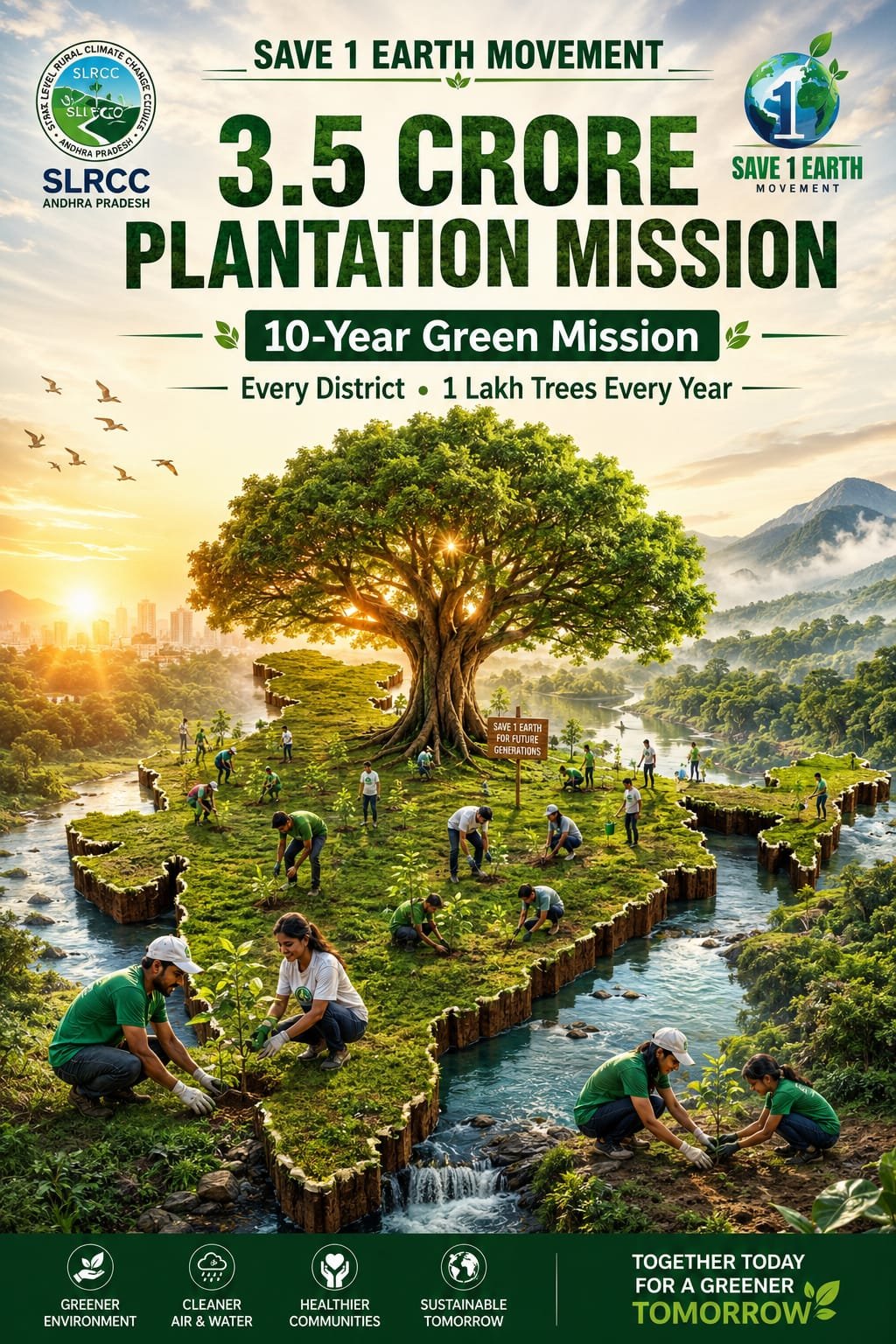
The 3.5 Crore Plantation Drive is one of the key agendas of Save 1 Earth Movement and focuses on large-scale plantation activities across districts to improve green cover and build a healthier environment.
This drive layout thrives on active participation from schools, colleges, farmers, institutions, local communities, volunteers, and the general public. It brings critical ecological benefits such as improved air quality, reduction of heat, soil protection, better rainfall absorption, biodiversity support, and long-term environmental recovery.
2) Water Body Gates and Water Barricades
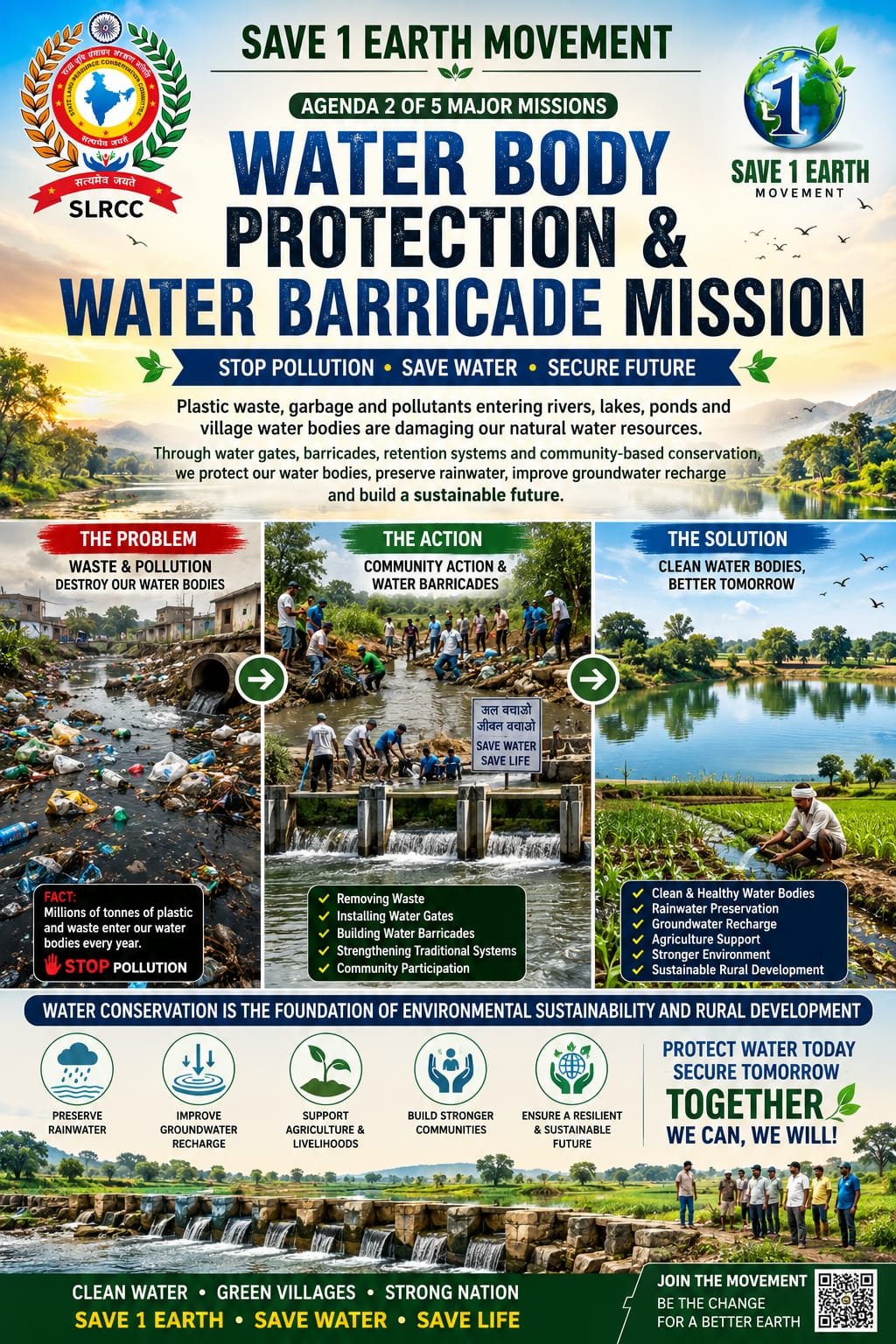
Water conservation is one of the most important parts of environmental sustainability and rural development.
We focus on the immense importance of protecting lakes, tanks, ponds, village water bodies, streams, and traditional water systems through supportive structures such as water gates, barricades, water retention systems, and other conservation-based local interventions. These efforts help preserve rainwater, strengthen groundwater recharge, support agriculture, and improve long-term environmental resilience.
3) Raja Vana in Every District
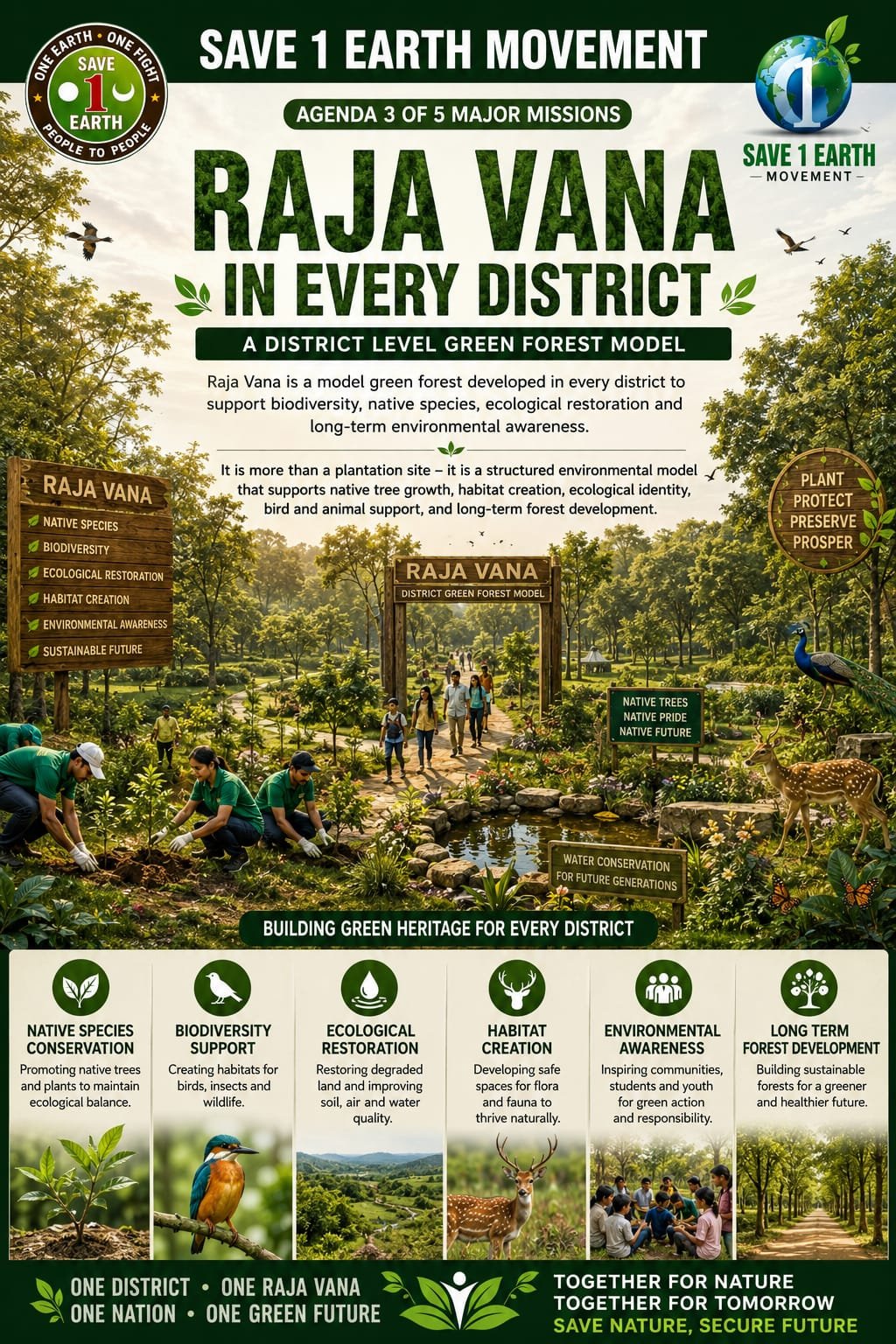
Raja Vana is a district-level green forest model intended to support biodiversity, native species, ecological restoration, and long-term environmental awareness.
Raja Vana is designed as more than just a standard plantation site. It is structured as an environmental model that supports native tree growth, habitat creation, ecological identity, bird and animal support, and long-term forest development in every district.
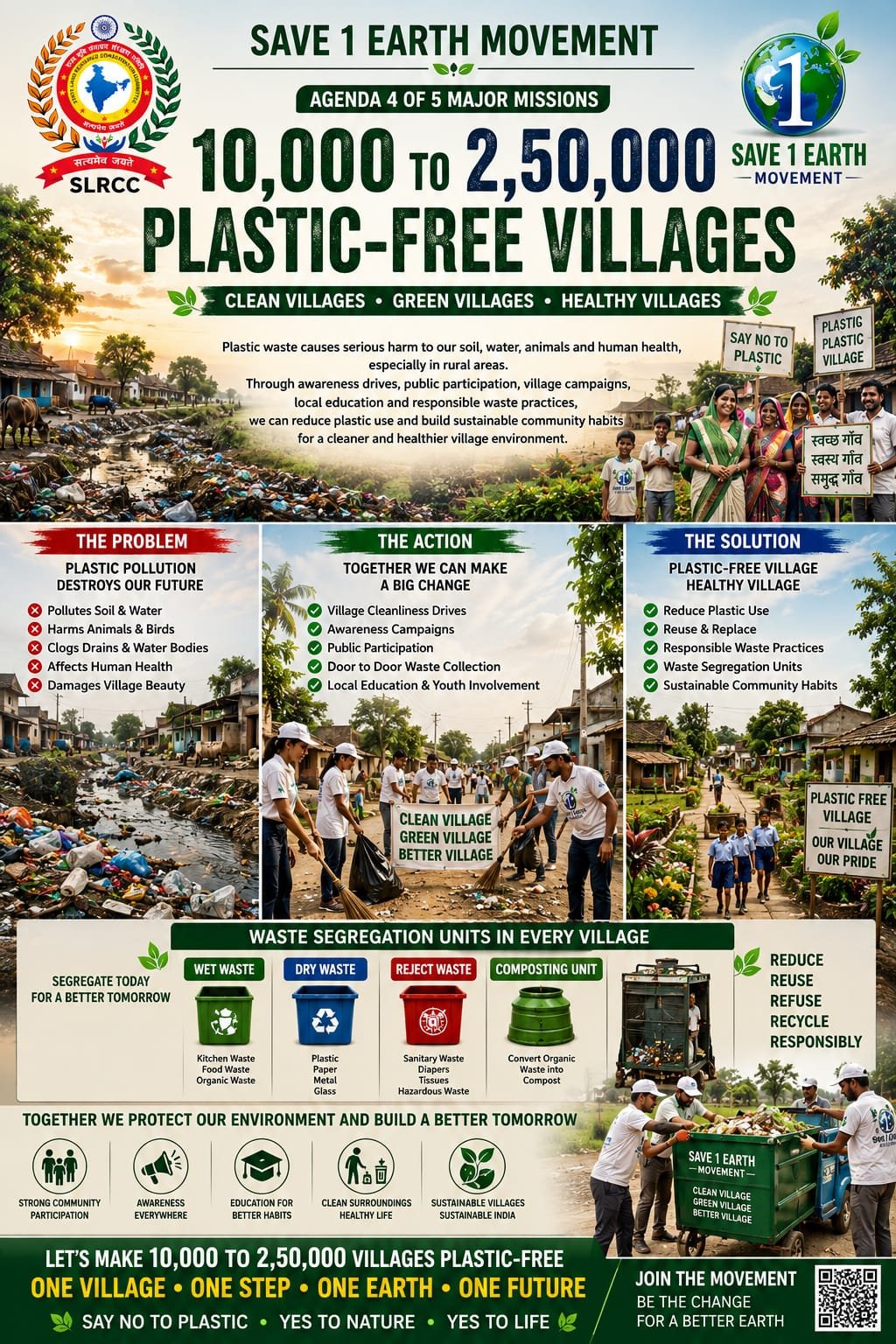
4) Plastic-Free Villages
Plastic waste causes serious harm to soil, water, animals, and human health, especially in rural areas.
Through active awareness drives, public participation, village campaigns, local education, and responsible waste practices, this agenda helps reduce plastic use and create cleaner and healthier village surroundings with the ultimate goal of building sustainable community habits.
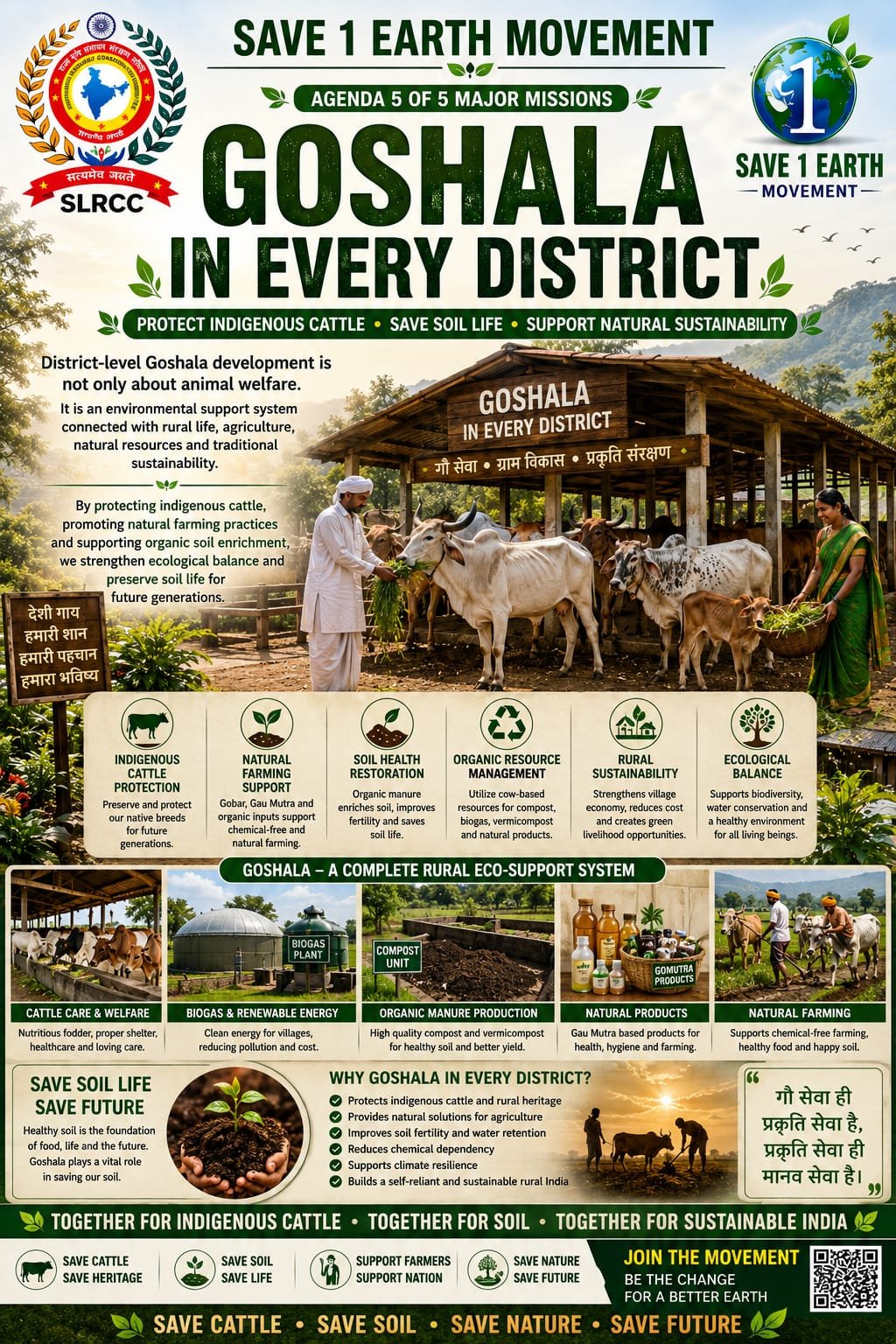
5) Goshala in Every District
District-level goshala development supports indigenous cattle protection, ecological balance, village sustainability, and natural farming support.
This agenda is strategically designed not only for animal welfare but also as an environmental support system deeply connected to rural life, agriculture, natural resources, and traditional sustainability models.